Standing in the Light: Transfiguration as Invitation and Transformation
There is also something deeply hopeful about the Transfiguration. It reveals that transformation is possible.

There is also something deeply hopeful about the Transfiguration. It reveals that transformation is possible.
In times of uncertainty, the Church is called not to withdraw from the world but to stand within it as a witness to hope. We are called to be people who protect...
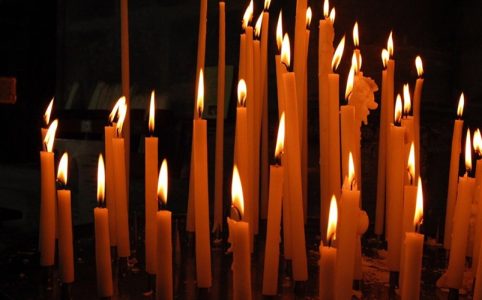
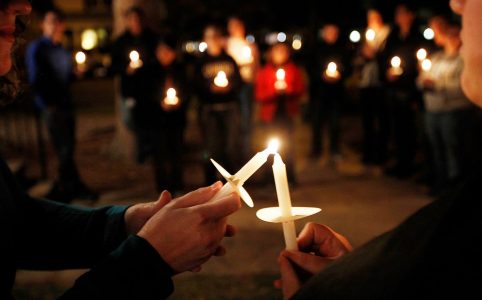
Divine light does not hover above the world untouched; it is placed into human hands, it stands on street corners and city parks, entrusted to bodies, bound to ...
This is not simply a political moment or a cultural moment; it is a profoundly moral one, and people of faith are being asked, gently but insistently, to respon...
Christian faith does not call us to protect only biological origins. It calls us to honor life as relational (existing in connection with others), social (forme...

Paul’s vision is not of quiet submission but of awakened lives shaped by integrity, compassion, and courage.

That truth compels us to speak plainly today as we continue to grieve the heinous shooting in Minneapolis and the death of Renee Nicole Good. When violence is c...
Prayer without action is just empty words. If we pray to God to end gun violence but refuse to do anything about it, we are just speaking into the air. Pope Fra...
To say that ENC put me on the path to where I am today would be an understatement.
For Jesus, perfection comes not only in keeping all of the rules but also in loving and caring for each other.